Casement windows guide
Casement windows are the UK’s most popular style for good reason — they’re simple, versatile and suit almost any home. Here’s how they work, the choices you’ll face, and how to picture them on your own property.
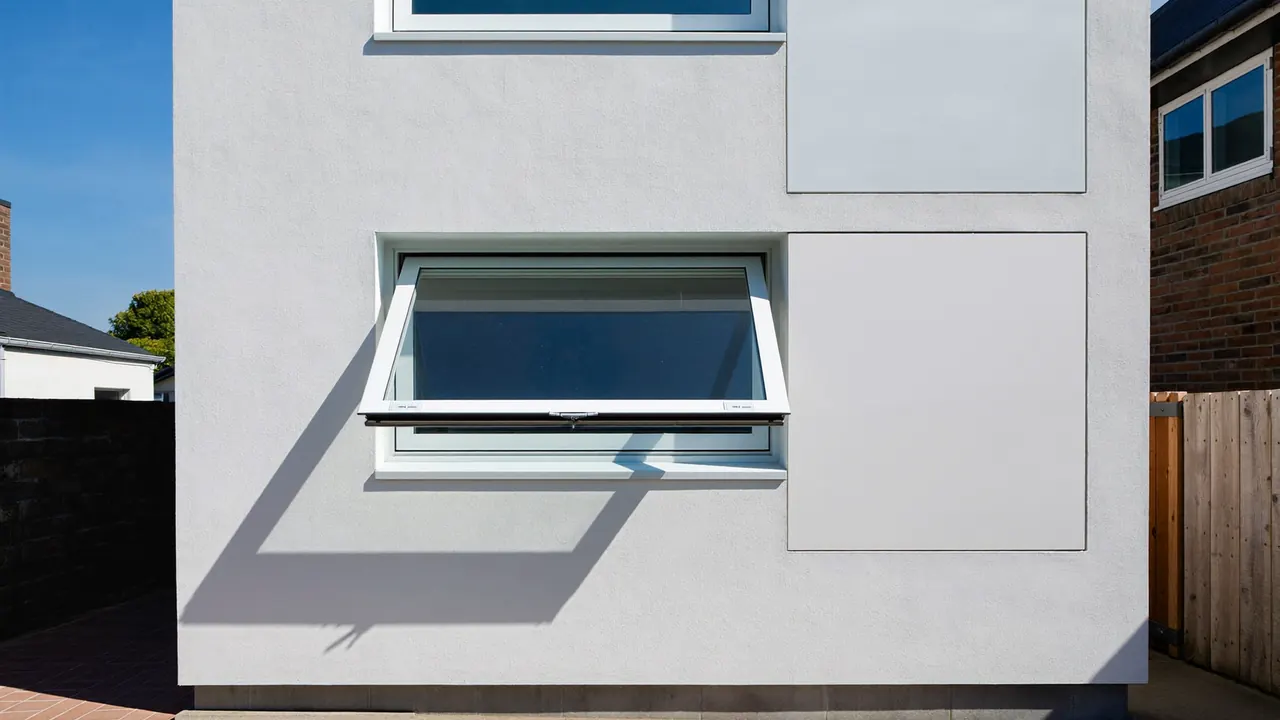
What is a casement window?
A casement window is hinged at the side (or occasionally the top) and swings open like a door, usually outwards. You turn a handle, the sash swings clear, and you get a wide, unobstructed opening for fresh air. Because the seal presses tight against the frame when closed, casements are excellent at keeping out draughts and rain — one of the reasons they remain the default choice on new-build estates and older homes alike.
Most casements are made from uPVC, but timber and aluminium versions are widely available if you want a particular look or a slimmer sightline. Whatever the material, the mechanism is the same friendly, low-fuss design that most people already know from their own homes.
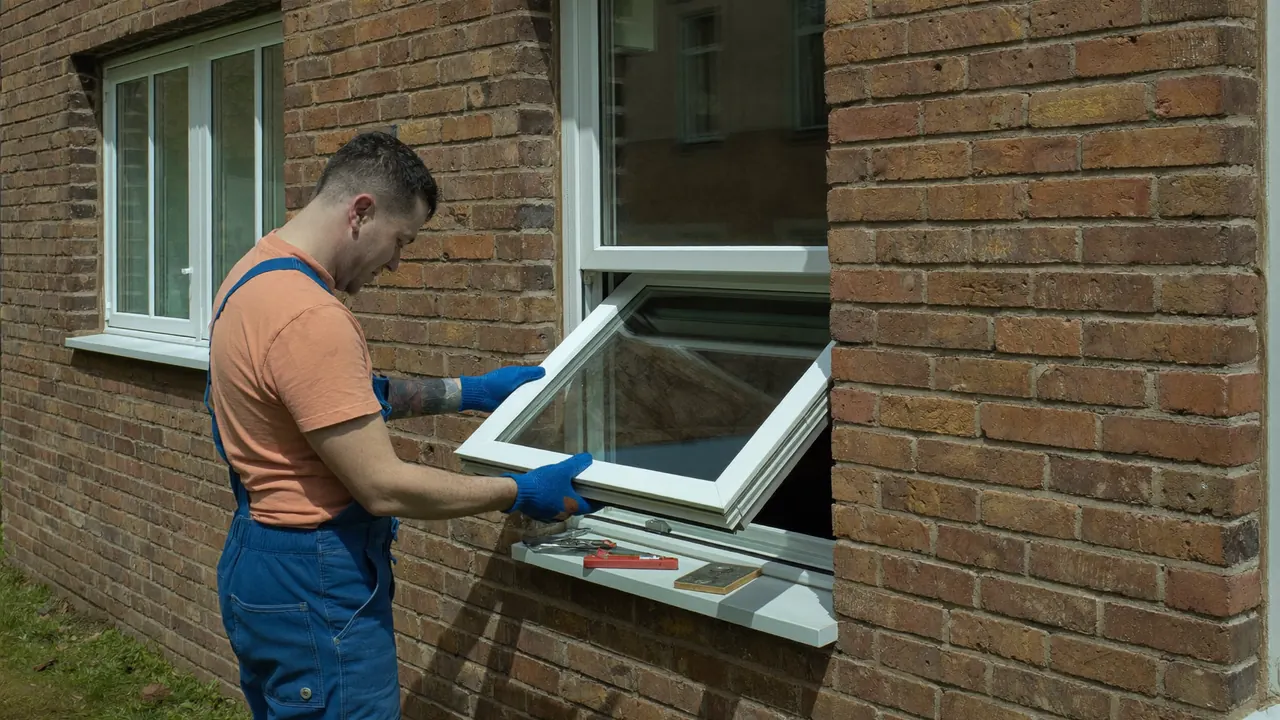
Casement configurations and styles
Casements are more flexible than people expect. Common layouts include:
- Side-hung — the classic swing-open pane, hinged left or right.
- Top-hung (awning) — hinged at the top, handy for ventilation even in light rain.
- Fixed lights — non-opening panes that add glass and let in more daylight.
- Combination frames — opening and fixed panes side by side, often with a “dummy” central mullion for symmetry.
If you like the crisp, modern casement look but want the sash to sit level with the frame rather than proud of it, take a look at our flush casement windows guide. For period homes, adding astragal or Georgian bar detailing turns a plain casement into something far more characterful.
Materials, glazing and efficiency
Modern casements are almost always double glazed as standard, with triple glazing available if noise or heat loss is a real concern. According to the Energy Saving Trust, replacing old single glazing with A-rated double glazing can typically make a meaningful dent in heat lost through windows, though the exact figure depends on your home. If you want to compare sealed-unit upgrades, acoustic glass or self-cleaning coatings, you can get glass options priced before you commit to a full order.
Our installation partner, Help 2 Buy Windows, fits casement windows across the UK and is rated 4.9/5 “Excellent” on Trustpilot from more than 12,000 reviews — the country’s No.1 double glazing installer. That track record is worth checking when you’re deciding who should measure up and fit your new windows.
See casements priced for your home
Tell us your postcode and the style that caught your eye — a local installer will arrange a free, no-obligation quote.
Are casement windows right for your home?
Casements suit almost every property type, from terraces to detached houses, which is exactly why they’re a safe first choice if you’re unsure. They’re easy to clean from inside on many designs, they lock at multiple points for security, and the plain frames won’t fight with your brickwork or render. If you’re weighing up which style flatters your kind of house, our window styles by home type hub walks through terraces, semis, bungalows and new builds one by one — there really are windows for every home.
Casements pair naturally with other styles on the same elevation, too — many homeowners mix them with a statement feature window. Here are a couple of guides worth a look next:
Paying for your new windows
A full set of replacement casements is a bigger job than a single window, so it’s worth knowing your options before you start. Funding and contribution options may be available for those who qualify, subject to eligibility and a home survey, and £0-upfront options may be available for some households. If you’re planning a whole-house project, it’s worth reading up on funding routes for bigger projects so you can budget with your eyes open.
Ready to price up your casements?
It takes about a minute. Answer two quick questions and a vetted local installer will be in touch about your quote.