Flush casement windows
Flush casements are having a moment — and it’s easy to see why. When closed, the opening sash sits perfectly level with the frame for a clean, timeless line that flatters cottages and contemporary homes alike. Here’s how they differ from a standard casement, and where they shine.
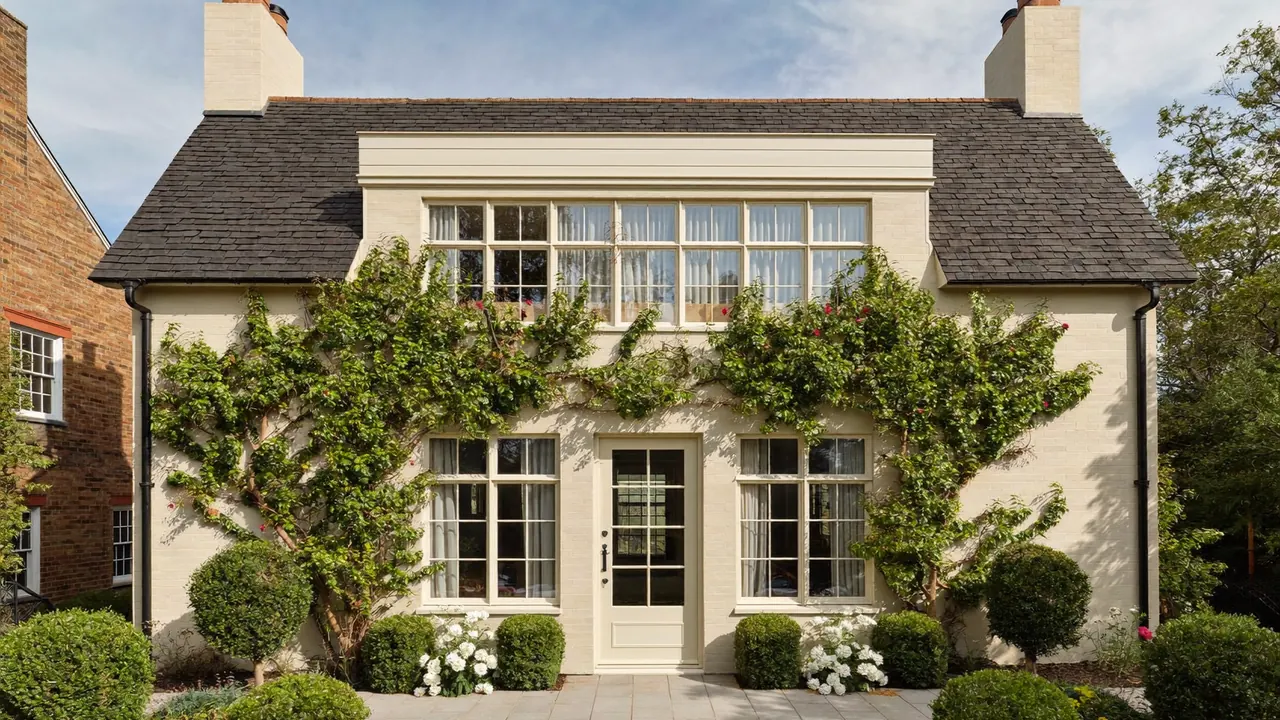
Flush vs standard casements
On a common “stormproof” casement, the opening sash overlaps the frame and sits slightly proud of it, creating a stepped profile. A flush casement is engineered so the sash tucks fully inside the frame and finishes flush with its face — the same crisp, level appearance as the traditional timber joinery that predates the stormproof design. The result is a slimmer, more elegant sightline that looks right on older buildings where a chunky stepped frame would jar.
Mechanically it’s still a hinged, side- or top-opening casement — so it keeps all the practicality of the style covered in our casement windows guide. It’s purely the closed appearance that sets it apart.
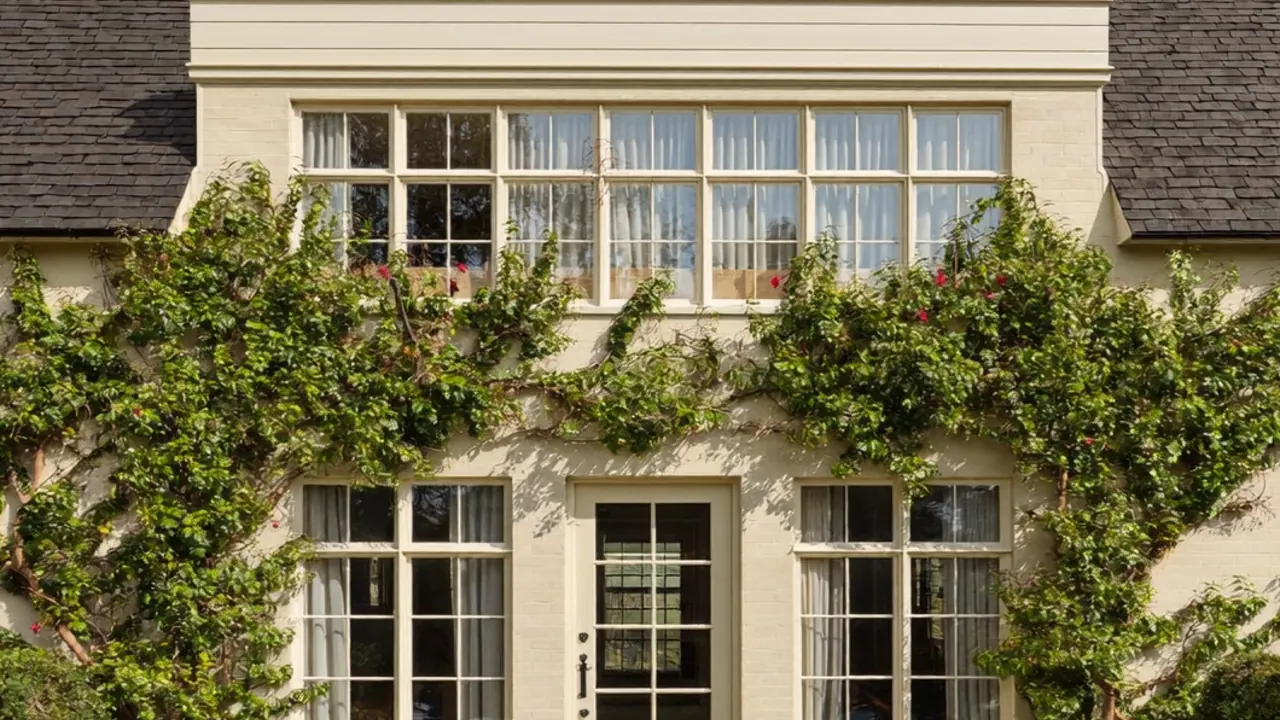
Where flush casements suit best
They’re a favourite for period and rural homes — cottages, farmhouses, converted barns and anything in a conservation area — because they mimic old flush timber windows so convincingly. But the clean lines look equally sharp on new builds and modern extensions, especially in a fashionable grey. Because the look is so understated, flush casements are one of the easiest styles to fit across a whole house without the frontage feeling heavy. Whatever your property, there really are windows for every home, and a flush casement is one of the most flattering all-rounders.
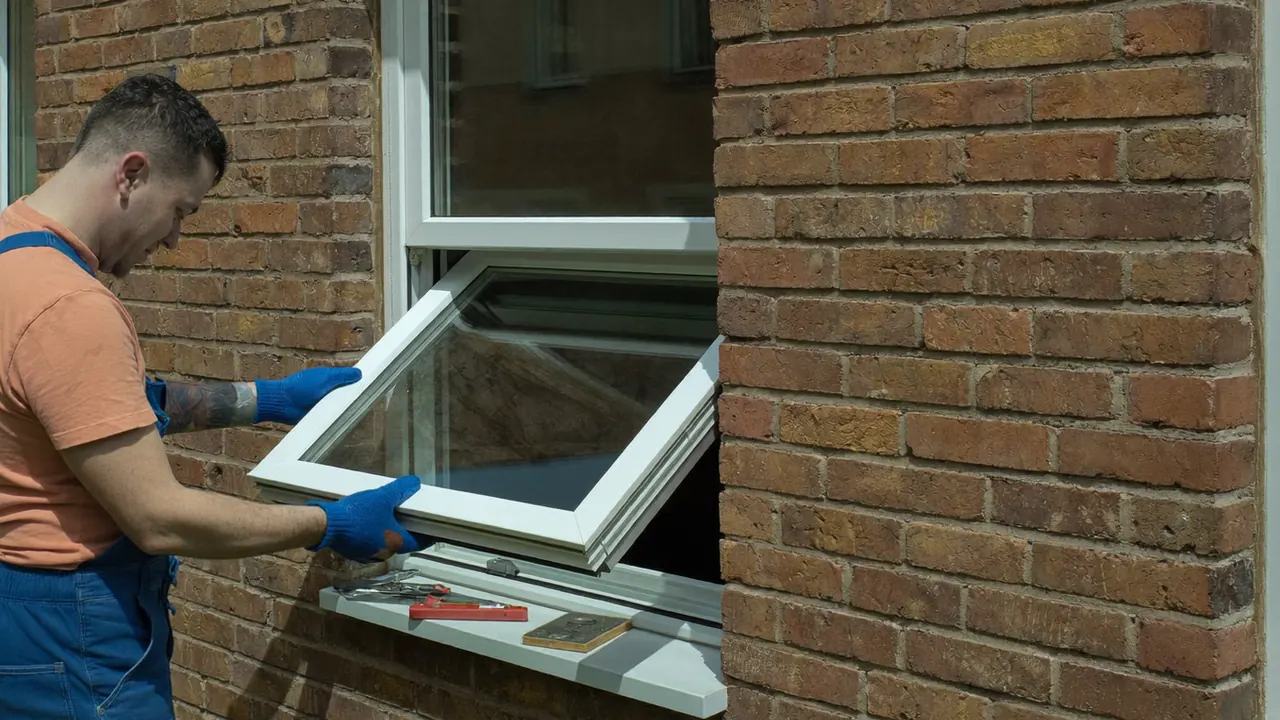
Love the flush look?
Pop in your postcode and a local installer will price up flush casements for your home — free and with no obligation.
Materials, colours and glass
Flush casements come in uPVC, timber, aluminium and timber-alternative composites. uPVC and composite versions carry realistic woodgrain foils and mechanically jointed corners for an authentic look with little upkeep; timber gives the purest heritage finish. Colour is a big part of the appeal — heritage creams, sage and off-whites for cottages, and of course the ubiquitous greys covered in our anthracite grey and colour guide. For the glazing itself, you can get glass options priced — from slim heritage units to acoustic or obscured glass.
Working out the right style for your kind of house? Our window styles by home type hub helps. These guides also pair well:
Planning the cost
Flush casements typically sit a little above a basic stormproof casement because of the more refined engineering, so a full house is worth budgeting for. Funding and contribution options may be available for those who qualify, subject to eligibility and a home survey, and £0-upfront options may be available for some households. For a whole-home project, read up on funding routes for bigger projects first.
Get flush casements priced
Two quick questions is all it takes — a vetted local installer will arrange your free, no-obligation quote.